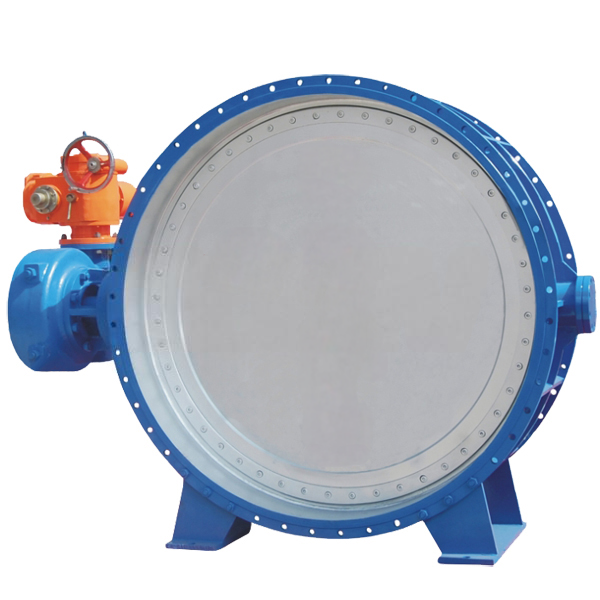
Globe valves, a cornerstone of fluid control systems, are renowned for their precision in regulating flow and ensuring reliable shutoff. Characterized by their spherical body design and linear motion mechanism, these valves are indispensable in industries ranging from petrochemicals to power generation. This article delves into the structural intricacies, operational principles, and diverse applications of globe valves, while addressing common challenges and innovations in their design.
1. Structural Design and Components
1.1 Core Components
A globe valve comprises four primary elements:
- Valve Body: The spherical or conical housing that contains the flow passage. Modern designs often incorporate streamlined contours to minimize turbulence.
- Valve Seat and Disc: The sealing surface, typically surfaced with hardened alloys like Stellite, ensures leak-proof closure. The disc moves perpendicular to the flow, enabling precise throttling.
- Valve Stem: Transmits torque from the actuator to the disc. Stems are classified as rising (visible during operation) or non-rising (concealed, ideal for space-constrained environments).
- Actuator: Drives the stem’s linear motion. Options include manual handwheels, pneumatic actuators (e.g., J641H model), and electric motors for automation.
1.2 Key Design Variations
- Channel Orientation:
- Straight-Through: Most common, with fluid entering below the seat and exiting above, creating a "low-in, high-out" flow path.
- Angle-Type: Redirects flow by 90°, reducing pressure drop in piping bends. Used in compact systems.
- Y-Pattern (Oblique): Diagonal body design lowers fluid resistance, suitable for high-pressure applications.
- Disc Types:
- Plug-Type: For general-purpose throttling.
- Needle-Type: Precision control in laboratory or instrumentation settings.
- Composition Disc: Soft-seated for low-pressure applications (e.g., water systems).
2. Working Principle
2.1 Opening/Closing Mechanism
- Opening: Rotating the handwheel or actuator lifts the stem, retracting the disc from the seat. Fluid flows through the annular gap between the disc and seat.
- Closing: The stem descends, pressing the disc onto the seat. Forced sealing is achieved via stem torque, ensuring zero leakage under pressure.
2.2 Flow Dynamics
Globe valves induce a pressure drop due to their S-shaped flow path. While this makes them less efficient than gate valves for on-off applications, it enables precise flow modulation. The valve’s flow coefficient (Cv) quantifies this relationship, with lower Cv values indicating higher resistance.
3. Performance Characteristics
3.1 Advantages
- Throttling Accuracy: The perpendicular disc motion allows incremental flow adjustments, critical in boiler feedwater systems.
- Leak Resistance: Hardened seat surfaces and forced sealing minimize external leakage.
- Durability: Lab tests show globe valves maintain sealing integrity for 40% longer than gate valves under cyclic loading.
- Maintenance Ease: Top-entry designs permit in-line repairs without pipeline disassembly.
3.2 Limitations
- Pressure Drop: Fluid must change direction twice, increasing energy loss. Not recommended for long-distance hydrocarbon transport.
- Size Constraints: Bulkier than ball valves, limiting use in tight spaces.
- Cavitation Risk: High-velocity flow near the vena contracta can erode metal seats. Solutions include anti-cavitation trims or multi-stage throttling.
4. Industrial Applications
4.1 Steam Systems
Globe valves dominate steam applications due to their ability to handle superheated conditions and rapid pressure fluctuations. For example, the J641H pneumatic globe valve (rated for 800°C) regulates steam in power plant turbines.
4.2 Cooling Water Circuits
In HVAC and industrial cooling, angle-type globe valves efficiently redirect flow while minimizing space usage. Their low-leakage design prevents water hammer in closed loops.
4.3 High-Pressure Scenarios
- Oil & Gas: API 600-compliant globe valves with trunnion-mounted discs withstand pressures up to 42 MPa in offshore platforms.
- Nuclear Industry: Stainless steel globe valves (e.g., ASTM A182 F316) meet stringent radiation resistance standards.
4.4 Oxygen Service
Specialized oxygen globe valves feature degreased surfaces and brass/copper alloys to prevent combustible reactions. A 2012 study confirmed their efficacy in cutting off high-purity oxygen flows in metallurgical processes.
5. Material Selection and Standards
5.1 Body Materials
- Carbon Steel (WCB): General-purpose use up to 425°C.
- Stainless Steel (304/316): Corrosive media (e.g., seawater, acids).
- Alloy Steels (F91, F92): High-temperature steam applications.
5.2 Compliance Standards
- API 600: Bolted-bonnet globe valves for petroleum service.
- BS 1873: British standard for steel globe valves.
- GB/T 12235: Chinese national standard for flanged globe valves.
6. Innovation and Trends
- Smart Valves: Integration with IoT sensors for real-time monitoring of seat wear and stem torque.
- 3D-Printed Components: Additive manufacturing enables complex internal geometries, reducing pressure drop by 15%.
- Low-Emission Designs: Bellows-sealed stems cut fugitive emissions by 99%, aligning with EPA regulations.
FAQs
Q1: Can globe valves be used for throttling?
A: Yes. Their linear motion and perpendicular disc design make them ideal for precise flow control, unlike gate valves which are intended for on-off service.
Q2: What is the difference between a globe valve and a gate valve?
A: Globe valves regulate flow via a disc-seat mechanism, inducing higher pressure drops. Gate valves use a sliding gate for unobstructed flow but lack throttling capability.
Q3: How do I prevent cavitation in globe valves?
A: Use multi-stage trims, hardened seat materials (e.g., tungsten carbide), or operate the valve at higher upstream pressures to avoid vaporization.
Q4: Are globe valves suitable for slurry applications?
A: No. The tortuous flow path causes abrasive wear. Ball or knife-gate valves are preferred for slurries.
Q5: What maintenance is required for globe valves?
A: Periodic inspection of seat tightness, lubrication of stems, and replacement of worn packing glands. Annual testing per API 598 ensures compliance.
Conclusion
Globe valves remain indispensable in fluid control, balancing precision and reliability across industries. While their pressure drop limits certain applications, advancements in materials and smart technologies continue to expand their utility. By understanding their design principles and operational constraints, engineers can optimize valve selection for enhanced system performance.
For further inquiries, consult manufacturers like RST Valve Group or refer to standards such as API 600 and GB/T 12235.