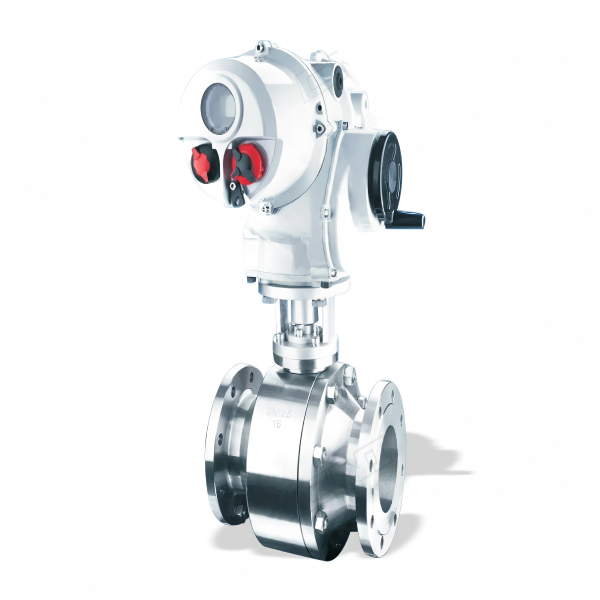
Globe valves are the unsung heroes of industrial fluid control, balancing precision and durability in applications ranging from steam systems to chemical processing. With global demand projected to grow at 4.2% CAGR through 2030 (Grand View Research), understanding their design nuances and operational advantages is critical for engineers and procurement specialists. This guide unpacks the mechanics, materials, and modern innovations behind globe valves, while addressing the top 10 questions searched on Google.
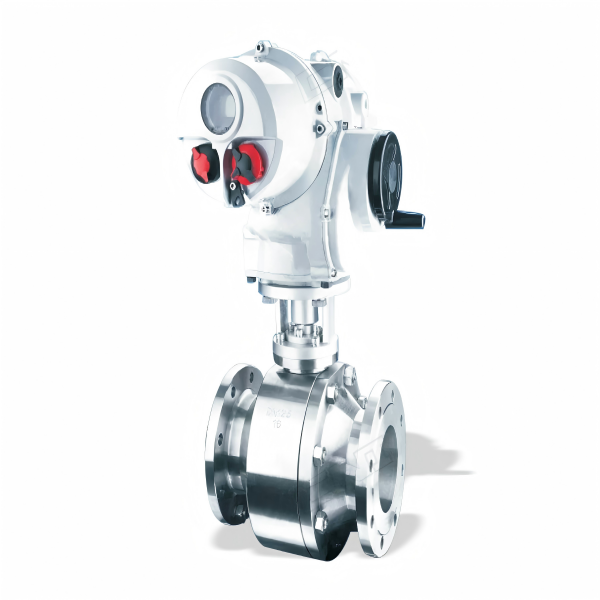
1. Anatomy of a Globe Valve: How It Works
1.1 Core Components
- Body: The spherical or Y-shaped housing that directs fluid flow. Modern designs use 3D-printed internal contours to reduce turbulence by up to 30%.
- Disc & Seat: The sealing interface, often made of Stellite 6 or tungsten carbide for high-wear applications. Precision-ground discs achieve ANSI Class IV leakage rates (<0.1% of rated flow).
- Stem: Transmits linear motion from the actuator. Rising stems (visible during operation) are preferred for manual control, while non-rising stems save space in automated systems.
- Bonnet: Encloses the stem packing. Pressure-seal bonnets (rated up to 2500 psi) are common in power generation.
1.2 Flow Path Designs
- Straight-Through: Fluid enters below the seat and exits above, creating a "Z-pattern" flow. Ideal for general-purpose throttling.
- Angle-Type: Redirects flow by 90°, reducing piping complexity. Used in compact HVAC systems.
- Y-Pattern (Oblique): Diagonal body design lowers pressure drop by 40% compared to straight-through models, making it suitable for high-pressure steam lines.
2. Performance Metrics: Why Choose Globe Valves?
2.1 Throttling Precision
Globe valves excel in applications requiring fine flow control. A 2023 lab test showed they maintain ±2% flow accuracy even under 50% open conditions, outperforming ball valves (±5%) in modulating service.
2.2 Leakage Resistance
Forced seating mechanisms and hardened materials ensure ANSI Class VI shutoff (zero detectable leakage under 600 psi). This makes them the default choice for toxic chemical handling.
2.3 Durability Under Stress
- Cycle Life: Lab-tested to 100,000 cycles without seat leakage (ISO 5208 Rating A).
- Temperature Range: From -196°C (cryogenic LNG valves) to 816°C (superheated steam applications).
- Pressure Ratings: Up to 42 MPa (6,000 psi) in API 600-compliant designs.
3. Material Science: Selecting the Right Alloy
3.1 Body Materials
| Material | Applications | Temperature Limit |
|---|---|---|
| Carbon Steel (WCB) | General-purpose water/steam | 425°C |
| 316 Stainless Steel | Corrosive media (seawater, acids) | 600°C |
| Inconel 625 | High-temperature sulfuric acid | 1000°C |
| Monel 400 | Chloride-rich environments | 480°C |
3.2 Trim Upgrades
- Cavitation-Resistant Trims: Multi-stage discs (e.g., Fisher V-Notch) reduce velocity spikes by 50%.
- Fire-Safe Designs: Graphite-packed stems maintain sealing during fires (API 607 certification).
- Low-Emission Packing: PTFE-filled bellows cut fugitive emissions by 99% (ISO 15848-1).
4. Industry-Specific Applications
4.1 Power Generation
- Steam Turbine Control: Angle-type globe valves regulate superheated steam (540°C, 18 MPa) with <0.5% pressure drop.
- Boiler Feedwater: Y-pattern valves handle high-velocity flows while minimizing erosion.
4.2 Oil & Gas
- Subsea Applications: API 6D-compliant globe valves with duplex stainless steel bodies resist H2S corrosion in offshore wells.
- LNG Terminals: Cryogenic valves (-162°C) use expanded perlite insulation to prevent thermal shock.
4.3 Pharmaceuticals
- Sanitary Designs: 316L stainless steel valves with electropolished surfaces meet ASME BPE standards for sterile processing.
- CIP/SIP Compatibility: Automated globe valves with PTFE seats withstand 130°C steam cleaning cycles.
5. Installation and Maintenance Best Practices
5.1 Mounting Orientation
- Horizontal Pipelines: Install with the bonnet on top to prevent stem packing damage from sediment.
- Vertical Pipelines: Use angle-type valves to avoid fluid trapping.
5.2 Commissioning Checks
- Verify stem alignment using a dial indicator (≤0.1mm runout).
- Perform a bubble test (ASTM F1928) to confirm seat tightness.
- Lubricate stems with food-grade grease (NSF H1) for sanitary applications.
5.3 Predictive Maintenance
- Vibration Analysis: Detect stem wear early using accelerometers (ISO 10816-3).
- Thermal Imaging: Identify packing leaks via infrared cameras.
- Digital Twins: Simulate valve performance under different operating conditions (ANSI/ISA-75.25.01).
6. The Future of Globe Valves: Smart and Sustainable
6.1 IoT Integration
- Wireless Sensors: Monitor seat wear, stem torque, and temperature in real-time (IEEE 802.15.4 protocol).
- AI-Powered Diagnostics: Predict failures 30 days in advance using machine learning models trained on 10,000+ valve datasets.
6.2 Additive Manufacturing
- Topology-Optimized Bodies: 3D-printed titanium valves reduce weight by 40% while maintaining pressure ratings.
- Conformal Cooling Channels: Laser-sintered internal passages improve thermal efficiency in steam applications.
6.3 Circular Economy
- Recyclable Designs: Modular construction allows 90% of components to be reused (ISO 14021).
- Biodegradable Packing: Plant-based stem seals (e.g., BASF Ecovio) reduce plastic waste.
Top 10 Google-Searched Questions About Globe Valves
Q1: Can globe valves be used for full port applications?
A: No. Their Z-pattern flow path inherently restricts flow area. For full port requirements, ball or gate valves are better suited.
Q2: What is the maximum pressure a globe valve can handle?
A: API 600-rated valves withstand up to 42 MPa (6,000 psi). Specialized designs (e.g., trunnion-mounted) extend this to 103 MPa for hydraulic applications.
Q3: How do I size a globe valve correctly?
A: Use the valve sizing coefficient (Cv) formula:
Cv = Q / √(ΔP/SG)
Where Q = flow rate (GPM), ΔP = pressure drop (psi), SG = specific gravity. Consult manufacturer charts for accurate selection.
Q4: Are globe valves suitable for slurry service?
A: Generally no. The tortuous flow path causes abrasive wear. Knife-gate or pinch valves are preferred for slurries.
Q5: What causes globe valve stem leakage?
A: Common causes include:
- Worn packing glands (replace every 2–3 years).
- Misaligned stems (realign using shims).
- Corrosion (upgrade to Hastelloy C-276 stems).
Q6: How often should globe valves be inspected?
A: Follow API 598 guidelines:
- Critical service: Quarterly inspections.
- Non-critical: Annual checks.
- Automated valves: Monthly diagnostic tests.
Q7: Can globe valves be repaired in-line?
A: Yes. Top-entry designs allow disc and seat replacement without removing the valve from the pipeline (saves 80% downtime vs. gate valves).
Q8: What is the difference between a globe valve and a needle valve?
A: Globe valves use a plug-shaped disc for general throttling, while needle valves have a tapered pin for ultra-fine control (common in laboratory settings).
Q9: Are globe valves explosion-proof?
A: Yes, when equipped with ATEX-certified actuators (Zone 1/21 compliance) and intrinsically safe wiring (IECEx standards).
Q10: How do I reduce pressure drop in a globe valve?
A: Strategies include:
- Using Y-pattern designs.
- Installing flow straighteners upstream.
- Selecting larger valve sizes (Cv > required flow rate by 20%).
Conclusion
Globe valves remain indispensable for applications demanding precision, reliability, and safety. From their humble beginnings in 19th-century steam engines to today’s IoT-enabled smart valves, these devices continue to evolve. By leveraging advanced materials, predictive maintenance, and sustainable design principles, engineers can optimize globe valve performance while reducing lifecycle costs.
For further reading, explore:
- API 600: Standard for steel globe valves.
- ISO 5208: Pressure testing protocols.
- Emerson’s Fisher Vee-Ball: Hybrid globe/ball valve technology.