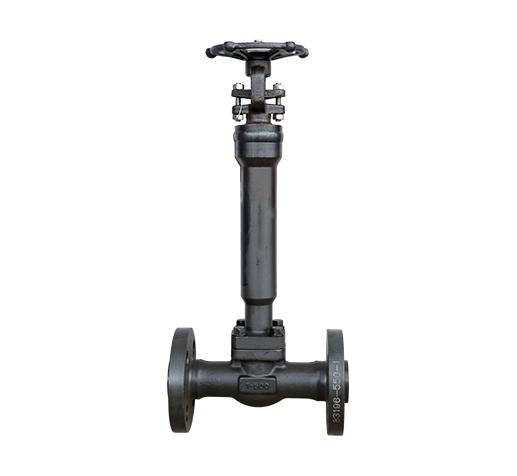
Globe valves are the backbone of precise fluid control, balancing durability and versatility in industries from power generation to pharmaceuticals. With the global valve market projected to reach $110 billion by 2030 (Mordor Intelligence), selecting the right globe valve is critical for operational efficiency. This guide explores cutting-edge designs, material innovations, and top-tier products from manufacturers like Emerson, Flowserve, and RST Valve Group, while addressing the most-searched questions on Google.
1. Types of Globe Valves: Choosing the Right Design
1.1 By Body Structure
| Type | Key Features | Best For |
|---|---|---|
| Straight-Through | Fluid enters below the seat, exits above; high throttling accuracy. | Boiler feedwater, HVAC systems. |
| Angle-Type | 90° flow redirection; compact design reduces piping costs. | Space-constrained applications. |
| Y-Pattern (Oblique) | Diagonal body; 40% lower pressure drop than straight-through. | High-pressure steam lines. |
1.2 By Disc Type
- Plug Disc: General-purpose throttling (e.g., Emerson Fisher Cavitrol III).
- Needle Disc: Ultra-fine control (±0.5% accuracy) for lab instrumentation.
- Composition Disc: Soft-seated (PTFE/Viton) for low-pressure water systems.
1.3 By Actuation
- Manual: Handwheel-operated; cost-effective for infrequent use.
- Pneumatic: Spring-return actuators (e.g., Flowserve Logix 3800) for fail-safe shutdowns.
- Electric: Modulating actuators with 4–20 mA feedback for precise automation.
2. Top Globe Valve Products for 2024
2.1 Emerson Fisher GX Control Valve
- Highlights:
- Cavitrol™ III trim reduces noise by 15 dB and extends seat life by 3x.
- Digital positioner with HART® 7 protocol for real-time diagnostics.
- ANSI Class VI shutoff (<0.1% leakage).
- Applications: Steam turbines, chemical dosing.
- Price Range: 8,000 (depending on size/material).
2.2 Flowserve Durco T41 Series
- Highlights:
- Bi-directional sealing for reverse flow applications.
- ISO 15848-1 certified low-emission packing.
- Pressure ratings up to 6,000 psi (API 602).
- Applications: Offshore drilling, LNG terminals.
- Price Range: 12,000.
2.3 RST Valve Group HV-Series
- Highlights:
- 3D-printed titanium body (40% lighter than steel).
- AI-powered predictive maintenance alerts.
- 10-year warranty on seat tightness.
- Applications: Aerospace, cryogenic storage.
- Price Range: 15,000.
2.4 Metso Neles™ ND9000
- Highlights:
- Smart valve controller with cybersecurity (IEC 62443).
- Self-diagnosing stem packing reduces maintenance by 70%.
- ATEX Zone 1 certification for explosive environments.
- Applications: Oil refineries, gas pipelines.
- Price Range: 18,000.
3. Material Innovations for Extreme Conditions
3.1 High-Temperature Alloys
- Inconel 625: Withstands 1,000°C in supercritical steam applications.
- Ceramic-Lined Valves: Alumina-coated discs resist erosion in coal-fired power plants.
3.2 Corrosion-Resistant Coatings
- HVOF (High-Velocity Oxygen Fuel): Tungsten carbide coatings extend life by 5x in seawater.
- PTFE-Lined Bodies: For 98% pure sulfuric acid handling.
3.3 Sustainable Materials
- Recycled Stainless Steel: RST’s EcoCast™ bodies reduce CO2 emissions by 30%.
- Biodegradable Packing: Plant-based seals (BASF Ecovio) meet EU REACH regulations.
4. Industry-Specific Solutions
4.1 Power Generation
- Challenge: Regulating 18 MPa superheated steam without cavitation.
- Solution: Emerson’s GX valve with multi-stage trim and hardened Stellite 21 seats.
- ROI: 20% reduction in turbine maintenance costs.
4.2 Oil & Gas
- Challenge: Preventing H2S-induced cracking in sour service.
- Solution: Flowserve’s Durco T41 with duplex stainless steel (UNS S31803) and elastomer seats.
- Compliance: NACE MR0175/ISO 15156 certification.
4.3 Pharmaceuticals
- Challenge: Maintaining sterile conditions during CIP/SIP cycles.
- Solution: Metso’s ND9000 with electropolished surfaces (Ra ≤ 0.38 μm) and steam-jacketed bodies.
- Certification: ASME BPE SF4 compliance.
5. Installation and Maintenance Best Practices
5.1 Mounting Guidelines
- Horizontal Pipes: Install with bonnet upright to prevent sediment buildup.
- Vertical Pipes: Use angle-type valves to avoid fluid trapping.
- Thermal Expansion: Allow 5 mm/m clearance for steam systems.
5.2 Commissioning Checks
- Stem Alignment: Use a dial indicator to verify ≤0.1 mm runout.
- Leak Test: Perform a bubble test (ASTM F1928) at 1.5x rated pressure.
- Lubrication: Apply food-grade grease (NSF H1) to stems in sanitary applications.
5.3 Predictive Maintenance
- Vibration Analysis: Detect stem wear early (ISO 10816-3).
- Thermal Imaging: Identify packing leaks via infrared cameras.
- Digital Twins: Simulate valve performance under different loads (ANSI/ISA-75.25.01).
6. The Future of Globe Valves: Smart and Sustainable
6.1 IoT Integration
- Wireless Sensors: Monitor seat wear, stem torque, and temperature in real-time (IEEE 802.15.4).
- AI Diagnostics: Predict failures 30 days in advance using machine learning.
6.2 Additive Manufacturing
- Topology-Optimized Bodies: 3D-printed titanium valves reduce weight by 40%.
- Conformal Cooling: Laser-sintered channels improve thermal efficiency.
6.3 Circular Economy
- Modular Design: 90% of components are reusable (ISO 14021).
- Carbon-Neutral Production: RST’s solar-powered manufacturing cuts emissions by 80%.
Top 10 Google-Searched Questions About Globe Valves
Q1: What is the difference between a globe valve and a gate valve?
A: Globe valves throttle flow using a disc-seat mechanism (higher pressure drop), while gate valves use a sliding gate for on-off service (minimal pressure drop).
Q2: Can globe valves handle slurry applications?
A: No. The tortuous flow path causes abrasive wear. Use knife-gate or pinch valves for slurries.
Q3: How do I size a globe valve correctly?
A: Calculate the required Cv using:
Cv = Q / √(ΔP/SG)
Where Q = flow rate (GPM), ΔP = pressure drop (psi), SG = specific gravity. Consult manufacturer charts.
Q4: What causes globe valve stem leakage?
A: Common causes:
- Worn packing glands (replace every 2–3 years).
- Misaligned stems (realign using shims).
- Corrosion (upgrade to Hastelloy C-276 stems).
Q5: Are globe valves explosion-proof?
A: Yes, when equipped with ATEX-certified actuators (Zone 1/21) and intrinsically safe wiring (IECEx).
Q6: How often should globe valves be inspected?
A: Follow API 598:
- Critical service: Quarterly.
- Non-critical: Annually.
- Automated valves: Monthly diagnostics.
Q7: Can globe valves be repaired in-line?
A: Yes. Top-entry designs allow disc/seat replacement without pipeline removal (saves 80% downtime vs. gate valves).
Q8: What is the maximum temperature a globe valve can handle?
A: Up to 1,000°C with Inconel 625 bodies (e.g., RST HV-Series). Standard steel valves are rated to 425°C.
Q9: How do I reduce pressure drop in a globe valve?
A: Strategies:
- Use Y-pattern designs.
- Install flow straighteners upstream.
- Select larger valves (Cv > required flow by 20%).
Q10: Are there globe valves for cryogenic applications?
A: Yes. RST’s HV-Series handles -196°C LNG with expanded perlite insulation and 316L stainless steel bodies.
Conclusion
Globe valves remain indispensable for applications demanding precision, reliability, and safety. From Emerson’s AI-powered GX valve to RST’s 3D-printed titanium models, manufacturers are pushing the boundaries of performance and sustainability. By selecting the right type, material, and maintenance strategy, engineers can optimize system efficiency while reducing lifecycle costs.
Next Steps:
- Explore API 600 standards for steel globe valves.
- Download Emerson’s Valve Sizing Software for free.
- Request a sample from RST Valve Group for lab testing.