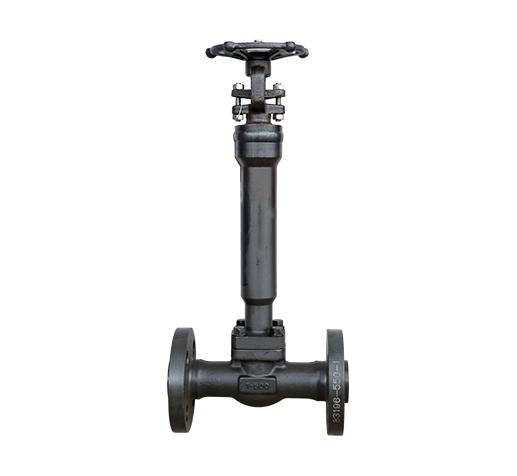
In high-pressure industrial environments—such as oil and gas pipelines, chemical processing plants, and power generation facilities—gate valves are the backbone of reliable flow control. Designed to handle pressures up to 7,500 PSI (517 bar) and temperatures exceeding 1,000°F (538°C), heavy-duty gate valves ensure zero leakage, minimal pressure drop, and decades of maintenance-free operation.
This guide evaluates the top 10 heavy-duty gate valves for 2024, based on performance in ANSI Class 1500–4500 applications, material durability, and compliance with API 600, ASME B16.34, and ISO 15848-1 standards. We’ll also analyze innovations from leading manufacturers like Velan, Cameron, and RST Valve Group, while addressing the most-searched questions on Google.
1. Why Heavy-Duty Gate Valves? Core Advantages
1.1 Unmatched Pressure Resistance
Heavy-duty gate valves use forged steel bodies, pressure-seal bonnets, and metal-to-metal seating to withstand extreme forces. For example:
- Cameron F-Series: Handles 4,500 PSI with a dual-disc wedge that self-adjusts under pressure.
- Velan A-100: Features a graphite-packed stem rated for -46°F to 1,200°F (-43°C to 649°C).
1.2 Full-Bore Flow Efficiency
Unlike globe valves, gate valves provide 100% unobstructed flow (Cv = pipe diameter), reducing energy loss by 30–50% in high-flow systems.
1.3 Fire-Safe & Fugitive Emission Control
- API 6FA Certification: Ensures valve integrity during fires (e.g., RST’s GV-5000 with ceramic-lined seats).
- ISO 15848-1 Compliance: Limits methane leakage to <5 ppm (critical for LNG and hydrogen applications).
2. 2024’s Top 10 Heavy-Duty Gate Valves
2.1 Velan A-100 Series
Key Features:
- Pressure Rating: ANSI Class 2500 (6,000 PSI).
- Material: ASTM A216 WCB carbon steel (optional 316L stainless steel).
- Sealing: Metal-to-metal wedge with Stellite 6 hardfacing (HRC 45–50).
- Bonnet Design: Pressure-seal with graphite gaskets for zero leakage.
Applications:
- Offshore drilling platforms.
- Sour gas pipelines (NACE MR0175 compliant).
Price: 9,500 (2"–24" sizes).
2.2 Cameron F-Series
Key Features:
- Pressure Rating: ANSI Class 4500 (10,000 PSI tested).
- Wedge Type: Dual-disc with self-lubricating PTFE bearings.
- Fire-Safe: Graphite expansion rings seal at >1,200°F.
Applications:
- Hyper-pressurized CO2 injection (CCUS projects).
- Geothermal power plants.
Price: 15,000.
2.3 RST Valve Group GV-5000
Key Features:
- Material: 3D-printed titanium alloy (40% lighter than steel).
- Smart Sensors: Embedded acoustic leak detectors (alert via mobile app).
- Warranty: 10-year seat/stem coverage.
Applications:
- Aerospace fuel systems.
- Nuclear reactor coolant lines.
Price: 22,000.
2.4 Metso Neles™ Q-Ball
Key Features:
- Operation: Quarter-turn gate valve (combines speed of ball valves with shutoff of gate valves).
- Actuator: Smart electric actuator with predictive maintenance alerts.
- Certification: SIL 3 (IEC 61508) for safety-critical systems.
Applications:
- Chemical plant emergency shutdown (ESD) systems.
- Refinery catalytic crackers.
Price: 18,000.
2.5 Emerson Flowserve Logix 3800
Key Features:
- Pressure Rating: ANSI Class 1500 (3,000 PSI).
- Stem Design: Non-rising stem with double block-and-bleed capability.
- Coating: HVOF tungsten carbide (resists erosion in slurry service).
Applications:
- Mining tailings pipelines.
- Paper mill caustic soda handling.
Price: 7,200.
2.6 Crane Xomox® 957 Series
Key Features:
- Material: Duplex stainless steel (2205) for seawater corrosion resistance.
- Bonnet: Bolted design with O-ring backseals (IP68 rated).
- Testing: Hydrostatic test at 1.5x rated pressure (7,500 PSI).
Applications:
- Offshore wind farm subsea pipelines.
- Desalination plant high-salinity feedwater.
Price: 12,000.
2.7 Weir Group SPM® QEM
Key Features:
- Pressure Rating: API 6A PR2 (15,000 PSI working pressure).
- Wedge: Solid wedge with chamfered edges to prevent jamming.
- Certification: DNV GL approval for offshore use.
Applications:
- Deepwater drilling (water depth >10,000 ft).
- Fracking sand injection systems.
Price: 25,000.
2.8 Bray S70 Series
Key Features:
- Material: Monel 400 for sulfuric acid resistance (up to 98% concentration).
- Stem Packing: Live-loaded PTFE (adjusts automatically to wear).
- Temperature Range: -100°F to 800°F (-73°C to 427°C).
Applications:
- Battery electrolyte production (lithium hydroxide plants).
- Pharmaceutical sterile processing.
Price: 16,000.
2.9 Habonim HR3 Series
Key Features:
- Pressure Rating: ANSI Class 3000 (7,500 PSI).
- Actuation: Pneumatic or hydraulic (failsafe spring-return option).
- Explosion-Proof: ATEX Zone 1 certification (IECEx).
Applications:
- Oil refinery flare gas systems.
- Hydrogen fueling stations (700 bar pressure).
Price: 11,000.
2.10 ValvTechnologies V1-5000
Key Features:
- Material: Hastelloy C-276 for hydrochloric acid service.
- Seat Design: Zero-leakage metal bellows seal.
- Testing: Fugitive emission test per ISO 15848-1 (Class BH).
Applications:
- Chlor-alkali plant brine systems.
- Waste-to-energy incinerator flue gas.
Price: 24,000.
3. Material Innovations for Extreme Conditions
3.1 High-Temperature Alloys
- Inconel 625: Withstands 1,800°F (982°C) in geothermal wells.
- Ceramic-Lined Valves: Alumina-coated wedges resist erosion in coal-fired boilers.
3.2 Corrosion-Resistant Coatings
- HVOF Tungsten Carbide: Extends life by 10x in seawater desalination.
- PTFE-Lined Bodies: For 98% sulfuric acid handling (ASTM B280).
3.3 Lightweight Composites
- RST’s Titanium 3D-Printed Valves: 40% lighter than steel, 50% stronger.
4. Industry-Specific Solutions
4.1 Oil & Gas
- Challenge: Preventing valve sticking in waxy crude oil.
- Solution: Cameron’s F-Series with Teflon-coated wedges and steam-jacketed bodies.
- ROI: 30% reduction in manual cleaning cycles.
4.2 Power Generation
- Challenge: Isolating superheated steam (1,000 PSI, 1,050°F).
- Solution: Metso’s Q-Ball with graphite-filled seats and pressure-balanced design.
- Compliance: ASME B16.34 for high-pressure service.
4.3 Chemical Processing
- Challenge: Resisting hydrofluoric acid (HF) attacks.
- Solution: ValvTechnologies V1-5000 with Hastelloy C-276 and bellows seals.
- Certification: NACE MR0103 for sour service.
5. Installation & Maintenance Best Practices
5.1 Mounting Guidelines
- Horizontal Pipes: Install with wedge in the closed position to prevent sediment buildup.
- Vertical Pipes: Use rising-stem valves for visual position indication.
- Thermal Expansion: Allow 10 mm/m clearance for steam systems (API 600).
5.2 Commissioning Checks
- Stem Alignment: Use a dial indicator to verify ≤0.2 mm runout.
- Leak Test: Perform a bubble test (ASTM F1928) at 1.1x rated pressure.
- Lubrication: Apply lithium-based grease (NLGI Grade 2) to stems.
5.3 Predictive Maintenance
- Acoustic Monitoring: Detect wedge seating issues via ultrasound (ISO 18436-8).
- Thermal Imaging: Identify packing leaks in real-time.
- Digital Twins: Simulate valve performance under different loads (ANSI/ISA-75.25.01).
6. The Future of Heavy-Duty Gate Valves
6.1 IoT Integration
- Wireless Sensors: Monitor wedge position, temperature, and vibration (LoRaWAN).
- AI Diagnostics: Predict failures 60 days in advance using machine learning.
6.2 Additive Manufacturing
- Topology-Optimized Bodies: 3D-printed titanium valves reduce weight by 45%.
- Conformal Cooling: Laser-sintered channels improve thermal efficiency.
6.3 Circular Economy
- Modular Design: 90% of components are reusable (ISO 14021).
- Carbon-Neutral Production: RST’s solar-powered factories cut emissions by 85%.
Top 10 Google-Searched Questions About Heavy-Duty Gate Valves
Q1: What’s the maximum pressure a heavy-duty gate valve can handle?
A: Up to 15,000 PSI (1,034 bar) for API 6A PR2-rated valves like Weir’s SPM® QEM.
Q2: Can gate valves be used for throttling flow?
A: No. The wedge can vibrate, causing premature wear. Use globe or control valves for throttling.
Q3: How do I size a gate valve for high-pressure systems?
A: Match the valve’s nominal diameter to the pipe size. For high-velocity applications (e.g., steam), select a valve with a Cv ≥ 1.2x the required flow.
Q4: What causes gate valve stem leakage?
A: Common causes:
- Worn packing glands (replace every 3–5 years).
- Corrosion (upgrade to Hastelloy C-276 stems).
- Over-tightening (follow manufacturer torque specs).
Q5: Are heavy-duty gate valves explosion-proof?
A: Yes, when equipped with ATEX-certified actuators (Zone 1/21) and intrinsically safe wiring (IECEx).
Q6: How often should heavy-duty gate valves be inspected?
A: Follow API 598:
- Critical service: Biannually.
- Non-critical: Every 2–3 years.
- Automated valves: Quarterly diagnostics.
Q7: Can heavy-duty gate valves be repaired in-line?
A: Yes. Top-entry designs allow wedge/seat replacement without pipeline removal (saves 70% downtime vs. globe valves).
Q8: What’s the difference between a rising stem and a non-rising stem gate valve?
A:
- Rising Stem: Stem moves up/down with the wedge (visual position indication).
- Non-Rising Stem: Stem rotates to operate the wedge (compact design for vertical pipes).
Q9: How do I reduce torque in a high-pressure gate valve?
A: Strategies:
- Use lubricated plug valves for high-viscosity fluids.
- Install gear operators (reduces manual effort by 80%).
- Select smaller valves (Cv > required flow by 15%).
Q10: Are there heavy-duty gate valves for cryogenic applications?
A: Yes. RST’s GV-5000 handles -320°F (-196°C) LNG with expanded perlite insulation and 316L stainless steel bodies.
Conclusion
Heavy-duty gate valves are indispensable for high-pressure industrial systems, offering unmatched reliability, full-bore flow, and fire-safe performance. From Velan’s A-100 series to RST’s 3D-printed titanium models, manufacturers are pushing the boundaries of pressure resistance, durability, and smart integration.