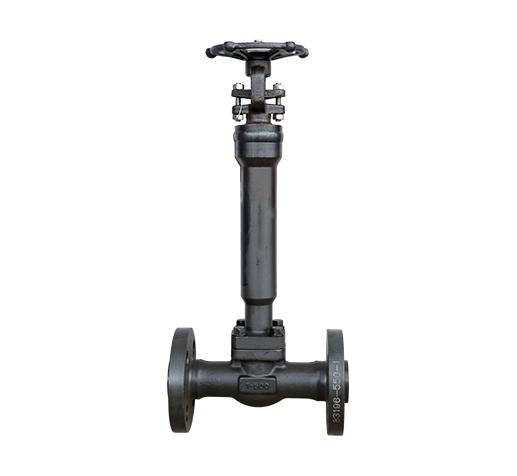
Gate valves are critical for isolating fluid flow in industrial systems—from water treatment plants to oil refineries. However, even the most robust valves (rated for 3,000+ PSI) can develop leaks, leading to costly downtime, safety hazards, and environmental violations.
This guide analyzes the top 5 causes of gate valve leaks in 2024, backed by API 598, ASME B16.34, and ISO 15848-1 standards. We’ll also provide actionable fixes, preventive maintenance tips, and product recommendations from leading brands like Velan, Cameron, and RST Valve Group.

1. Why Gate Valves Leak: Core Mechanics
A gate valve controls flow by lifting a metal wedge (gate) away from the seat. Leaks occur when:
- The wedge-to-seat seal fails.
- The stem packing degrades.
- The body or bonnet develops cracks.
Unlike ball valves, gate valves are not designed for throttling—partial opening causes vibration-induced wear, accelerating leaks.
2. Top 5 Causes of Gate Valve Leaks & How to Fix Them
2.1 Cause #1: Worn or Damaged Seats
Symptoms:
- Leakage around the valve body when closed.
- Visible scoring/pitting on the seat surface.
Root Causes:
- Abrasive Media: Sand, slurry, or scale particles erode seats.
- Thermal Shock: Sudden temperature changes warp seats (e.g., steam systems).
- Improper Installation: Over-tightening the wedge crushes seats.
Fixes:
- Resurface Seats: Use a lapping compound (e.g., Velan’s LAP-100) to restore flatness.
- Replace Seats: Install hardened seats (Stellite 6, HRC 45–50) for abrasive service.
- Upgrade Material: Switch to tungsten carbide-coated seats for high-velocity fluids.
Prevention:
- Install strainers upstream to filter debris.
- Use thermal insulation to minimize temperature swings.
Product Recommendation:
- RST Valve Group GV-5000: Features ceramic-lined seats rated for 10,000+ cycles in slurry service.
2.2 Cause #2: Stem Packing Failure
Symptoms:
- Leakage around the stem/bonnet joint.
- Difficulty operating the handwheel (stiff or loose).
Root Causes:
- Aging Packing: Graphite or PTFE packing degrades over time.
- Over-Tightening: Compresses packing too much, causing brittleness.
- Chemical Attack: Corrosive fluids (e.g., HCl, NaOH) dissolve packing.
Fixes:
- Repack the Stem:
- Remove old packing with a packing hook.
- Install live-loaded PTFE packing (e.g., Cameron’s Flex-Seal).
- Torque bolts to manufacturer specs (typically 15–25 ft-lbs).
- Upgrade to Bellows Seals:
- Replace packing with a metal bellows (zero leakage, ISO 15848-1 Class AH).
Prevention:
- Lubricate stems with silicone-based grease (e.g., Dow Corning Molykote 111).
- Schedule packing replacement every 3–5 years.
Product Recommendation:
- Velan A-100 Series: Includes graphite-packed stems rated for -46°F to 1,200°F.
2.3 Cause #3: Body or Bonnet Cracks
Symptoms:
- Leakage from the valve body joints or welds.
- Audible hissing/gurgling under pressure.
Root Causes:
- Over-Pressurization: Exceeding ANSI Class rating (e.g., applying 4,500 PSI to a Class 3000 valve).
- Corrosion: Pitting from chlorides (seawater) or sulfides (sour gas).
- Fatigue: Cyclic pressure changes (e.g., pump startups) crack cast iron bodies.
Fixes:
- Weld Repair:
- For minor cracks, use TIG welding with Inconel 625 filler rod.
- Post-weld heat treat to relieve stress.
- Body Replacement:
- Upgrade to forged steel valves (e.g., Cameron F-Series) for high-pressure systems.
Prevention:
- Install pressure relief valves downstream.
- Use duplex stainless steel (2205) for corrosive environments.
Product Recommendation:
- Metso Neles™ Q-Ball: Features a bolted bonnet with O-ring backseals (IP68 rated).
2.4 Cause #4: Wedge Misalignment
Symptoms:
- Leakage when the valve is fully closed.
- Uneven wear on the wedge edges.
Root Causes:
- Bent Stem: Caused by side loading during operation.
- Debris in the Valve: Particles prevent full wedge seating.
- Thermal Expansion: Differential heating warps the wedge.
Fixes:
- Realign the Wedge:
- Disassemble the valve and machine the wedge to restore flatness.
- Use shimming to correct stem alignment.
- Clean the Valve:
- Flush with solvent cleaner (e.g., CRC Brakleen) to remove debris.
Prevention:
- Install guide bushings to keep the stem centered.
- Use expansion joints to absorb thermal movement.
Product Recommendation:
- Emerson Flowserve Logix 3800: Includes self-centering wedges for misalignment tolerance.
2.5 Cause #5: Improper Installation
Symptoms:
- Leakage at flange connections.
- Valve fails to fully open/close.
Root Causes:
- Misaligned Pipes: Forces the valve out of square.
- Over-Torqued Flanges: Crushes gaskets.
- Wrong Orientation: Rising-stem valves installed vertically.
Fixes:
- Reinstall the Valve:
- Use laser alignment tools to ensure proper positioning.
- Torque flange bolts in a star pattern to 75% of yield strength.
- Replace Gaskets:
- Use spiral-wound gaskets (e.g., Garlock GYLON®) for high-pressure service.
Prevention:
- Follow ASME B16.5 flange standards.
- Train operators on proper handwheel operation (no excessive force).
Product Recommendation:
- Crane Xomox® 957 Series: Includes alignment pins for error-proof installation.
3. Industry-Specific Leak Solutions
3.1 Oil & Gas: Sour Gas Leaks
- Challenge: H₂S attacks valve bodies, causing stress corrosion cracking (SCC).
- Fix: Use NACE MR0175-compliant valves (e.g., Weir Group SPM® QEM) with Inconel 625 overlays.
- ROI: Reduces leak-related shutdowns by 40%.
3.2 Chemical Processing: Acid Leaks
- Challenge: Hydrochloric acid (HCl) dissolves carbon steel seats.
- Fix: Install Hastelloy C-276 seats (e.g., ValvTechnologies V1-5000) with PTFE-lined bodies.
- Compliance: Meets ISO 15848-1 for fugitive emissions.
3.3 Water Treatment: Sediment-Induced Leaks
- Challenge: Sand and scale particles wear seats prematurely.
- Fix: Use self-cleaning wedges (e.g., RST’s GV-5000 with ceramic-coated surfaces).
- Maintenance: Flush valves monthly with high-pressure water.
4. Advanced Leak Detection & Prevention
4.1 Smart Sensors
- Acoustic Leak Detectors: Embedded ultrasonic sensors (e.g., Metso’s IntelliVIEW) alert via SMS when leaks exceed 5 ppm.
- Thermal Imaging: FLIR cameras identify packing leaks in real-time.
4.2 Predictive Maintenance
- AI Diagnostics: Cameron’s ValveMind software analyzes vibration data to predict seat wear 60 days in advance.
- Digital Twins: Simulate valve performance under 10,000 PSI loads (ANSI/ISA-75.25.01).
4.3 Material Innovations
- 3D-Printed Titanium Valves: RST’s GV-5000 reduces weight by 45% while improving corrosion resistance.
- Graphene Coatings: Extend seat life by 3x in high-temperature steam systems.
5. Top 10 Google-Searched Questions About Gate Valve Leaks
Q1: Can a leaking gate valve be repaired, or does it need replacement?
A: Minor leaks (e.g., packing) can be repaired. Severe body cracks or eroded seats require replacement.
Q2: How much does it cost to fix a leaking gate valve?
A:
- Packing replacement: 200.
- Seat resurfacing: 1,000.
- Full valve replacement: 25,000 (depending on size/material).
Q3: Why does my gate valve leak when fully open?
A: Likely wedge misalignment or debris in the seat. Disassemble and clean the valve.
Q4: How often should gate valves be inspected for leaks?
A:
- Critical service: Biannually (API 598).
- Non-critical: Every 2–3 years.
- Automated valves: Quarterly diagnostics.